Running Tool Hire Business From Home — UK Blueprint
Startup Cost: £50–£300 | Difficulty: Beginner | Time to Start: 7 Days | Business Type: Local
Plenty of households already own a drill, saw or lawn mower that sits unused for months. Turning those items into short-term rentals for neighbours and small builders is a straightforward way to earn extra cash without a shop or large stock.
Real UK Business Example
HSS Hire Tool and equipment hire chain with branches across Britain for DIY and trade. Independent hire shops stock niche items like floor sanders.
What is a Tool Hire Business?
A tool hire business means lending out equipment by the day or week. Customers range from homeowners doing a weekend job to tradespeople needing a specialist item for one project. You handle collection, return and basic checks rather than selling anything outright.
Video Breakdown
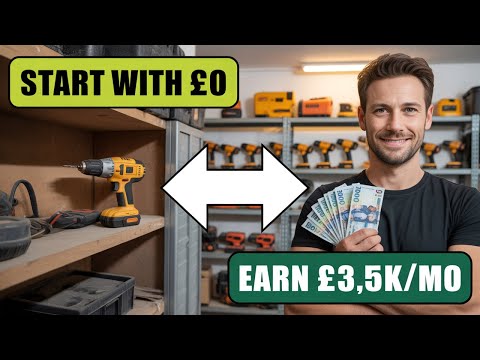
The video shows how to list tools you already own, write simple rental terms and handle payments through bank transfer. It covers spotting demand in your area and growing the list of items over time. Watch the full video on YouTube for the full walkthrough.
Key Takeaways
- Begin with tools already in the garage or shed before buying more.
- Free posts on Facebook Marketplace and Gumtree bring the first bookings within days.
- Google Calendar plus WhatsApp keeps track of dates and reminders without paid software.
- Take a 30-50% deposit on every booking to cover loss or damage.
- Check local Facebook groups for builders in postcodes near you rather than broad national ads.
- Review what HSS Hire stocks in your town to see which niche items they skip.
Startup Costs in the UK
Total outlay stays under £300 when you start with existing equipment. Typical first spends break down as follows.
| Item | Approx. Cost (UK) | Notes |
|---|---|---|
| Printed cards and basic poster | £0-25 | Use free Canva templates and print at a local shop. |
| Spare blades, extension leads | £20-60 | Replace worn parts before first rentals. |
| Rental agreement templates | £0-20 | Download free versions from GOV.UK or trade forums. |
| Insurance top-up | £30-80 | Check home contents policy first, add tool cover if needed. |
| Initial fuel and packaging | £20-50 | For local deliveries or collection bags. |
In practice most people reach their first paying customer for £100–£250 total.
Tools & Equipment Needed
- Power tools already owned (drills, sanders, saws)
- Garden kit (mowers, strimmers, hedge cutters)
- Ladders and access gear
- Clear plastic storage boxes for small parts
- Simple paper or PDF rental forms
- Phone and calendar app for bookings
How to Start
- Photograph every tool, note serial numbers and current condition.
- Write a one-page rental agreement covering deposit, late fees and damage rules.
- Post clear photos in three local Facebook groups and on Gumtree.
- Drop cards at builder’s merchants and timber yards in your area.
- Agree collection times that suit you and take payment upfront where possible.
- Log every booking and return date in a shared calendar.
- Replace or repair items only after they have paid for themselves twice.
Earnings & Scaling
Early months often bring £150-£400. Steady local demand can push monthly income to £800-£1,500 once ten to fifteen tools are circulating. Larger scale with a lock-up unit and more stock moves figures higher, but repair and replacement costs rise too.
Pros, Cons and Risks
Pros:
- Very low cash needed to begin
- Work around your own diary
- Tools you already own start earning
Cons:
- Need to be available for handovers
- Equipment wears out over time
- Marketing stays local and ongoing
Risks:
- Theft or non-return of items
- Damage that exceeds the deposit
- Insurance gaps if tools leave your property
UK-Specific Tips
- Register as self-employed with HMRC once earnings top £1,000 in a tax year.
- Keep every receipt for repairs and new purchases for your accounts.
- Compare your prices with the nearest HSS Hire branch so you stay competitive on everyday items.
- Use free listings first; paid promotion only after you have five or more regular customers.
- Check council rules on storing fuel or chemicals if you add petrol tools.
FAQ
Do I need a van?
No. Most early rentals work with collection from your door or short car trips.
What if a tool breaks?
The deposit covers minor repairs. For bigger damage you either replace the item or claim through your policy.
Is public liability insurance required?
Many household policies already cover occasional lending. Add specific tool cover once monthly income passes £500.
How do I handle late returns?
Charge a daily late fee written into the agreement and send polite reminders via WhatsApp.
Conclusion
Tool hire from home fits people who already own equipment and want modest extra income without big risk. Track demand, keep records and grow only when the numbers make sense. browse more ideas on MicroBiz365.