Signature Sauce Business Selling at Markets and Online for Beginners — UK Practical Guide
Startup Cost: £50–£300 | Difficulty: Beginner | Time to Start: 7 Days | Business Type: Local
Many cooks already have a sauce they repeat. The real test is whether you can make it the same way every time, label it correctly and stay inside food safety rules.
Real UK Business Example
Sauce Shop Brighton maker of ketchup, mayo, and hot sauces stocked in UK supermarkets. Small-batch sauce brands start at farmers markets before retail listings.
What is a Signature Sauce Business?
You bottle your own recipes and sell them in small runs at farmers' markets, online or to nearby delis. Batches stay modest and the emphasis stays on taste plus steady local repeat orders.
Video Breakdown
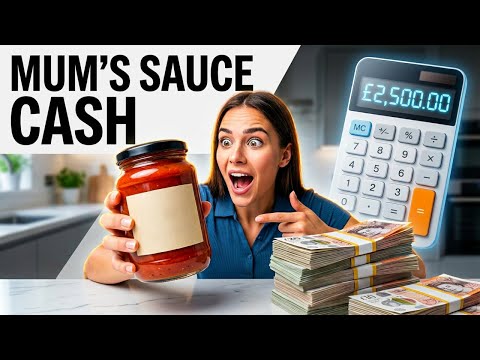
The video covers recipe testing, label rules and first sales routes. Watch the full video on YouTube for the full walkthrough.
Key Takeaways
- Run test batches with friends first and tweak salt, acid and shelf life.
- Give away 10–20 small bottles to gather real feedback and contact details.
- Print labels that show your website and phone so buyers can reorder.
- Use clear terms like "organic hot sauce" or "vegan gravy" in listings.
- Post in cooking forums and local Facebook groups before spending on ads.
- Keep batch records so you can trace ingredients if trading standards ask.
Startup Costs in the UK
Everything needed fits under £300 when you start with home or second-hand kit.
| Item | Approx. Cost (UK) | Notes |
|---|---|---|
| Glass bottles and lids (50 units) | £25–£40 | Bought in bulk from catering suppliers |
| Printed labels (roll of 100) | £15–£30 | Simple design printed locally or online |
| Ingredients for first 30 bottles | £30–£60 | Depends on recipe; buy wholesale where possible |
| Basic food hygiene course | £20–£25 | Online Level 2 certificate required for selling food |
| Market stall fee (one day) | £20–£40 | Most town markets charge this for a pitch |
| Misc (scales, funnel, pH strips) | £20–£35 | Often already in the kitchen |
Total spend usually lands between £100 and £250 before the first paid sale.
Tools & Equipment Needed
- Large stainless steel pan and hob
- Digital scales accurate to 1 g
- Funnel and jug for filling
- pH strips or meter to check acidity
- Labels and a simple heat gun or oven for sealing
How to Start
- Write your recipe with exact weights and cook times so it repeats exactly.
- Complete the Level 2 food hygiene certificate online.
- Register as a food business with your local council at least 28 days before selling.
- Make a test batch and ask five people to taste and score it honestly.
- Design and print labels that list allergens and your contact details.
- Book one farmers' market stall or set up a basic Etsy or Facebook shop.
- Track every sale and cost in a simple spreadsheet for HMRC records.
Earnings & Scaling
Early sales often run at £150–£400 per market day after ingredient costs. Many makers add an online shop once they have 10–15 steady stockists. Growth usually comes from adding more flavours rather than larger batches at the start.
Pros, Cons and Risks
Pros:
- Low equipment needs if you already cook at home.
- High perceived value so margins can sit at 50–60 % once established.
- Easy to test demand with small runs.
Cons:
- Food regulations add paperwork and cost.
- Seasonal demand at markets.
- Recipes can be copied once visible.
Risks:
- Batch failure or spoilage if acidity is wrong.
- Customer complaints about heat level or allergens.
- Trading standards visit if labels are incomplete.
UK-Specific Tips
- Check GOV.UK guidance on starting a food business before your first market.
- Register for VAT only once turnover passes the threshold; most small makers stay below it.
- Use local Facebook groups and Nextdoor for free promotion in your postcode area.
- Look at how Sauce Shop began at markets before supermarket listings and copy the small-batch approach.
FAQ
Do I need a separate kitchen?
No. Most councils allow production in a domestic kitchen if you register and keep the space clean.
How long does a batch last?
Properly acidified and sealed bottles keep 6–12 months unopened. Once opened, follow the 4-week fridge rule on the label.
Can I sell online straight away?
Yes, but you still need to register with the council and meet labelling rules before taking orders.
What happens if someone complains?
Keep batch records and contact details so you can recall stock quickly if trading standards require it.
Conclusion
Start small, follow the rules and test demand at one market before scaling. browse more ideas on MicroBiz365.