Running Tent Business From Home — UK Blueprint
Startup Cost: £50–£300 | Difficulty: Beginner | Time to Start: 7 Days | Business Type: Local
Are you looking for a business idea that's easy to start, with minimal upfront costs and a high potential for returns? Look no further than the tent business. From camping and outdoor enthusiasts to wedding planners and charities, the demand for tents is vast and varied. With the right strategy, you can capitalize on this demand and build a successful business.
Real UK Business Example
Vango Tent manufacturer in Scotland supplying UK campers and Duke of Edinburgh groups. Repair services extend product life and add service revenue.
What is Tent Business?
A tent business involves selling and renting tents to a variety of clients, including outdoor enthusiasts, wedding planners, and charities. The business can be run online or offline, and can involve selling tents through a website, social media, or local outreach.Video Breakdown
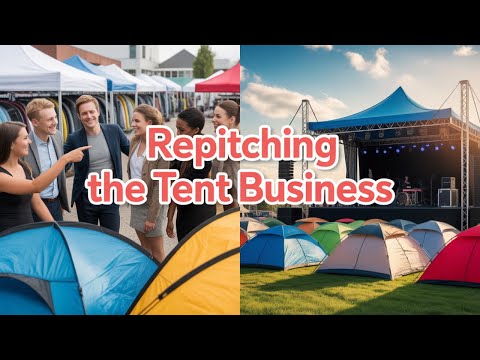
This article is based on a video that covers the ins and outs of starting a tent business. It includes information on initial stock purchase, marketing expenses, and tools needed to get started. The video also discusses pricing and earnings potential in the UK market. Watch the full video on YouTube for the full walkthrough.Key Takeaways
- Initial stock purchase can range from £500-£2,000, depending on the initial inventory.
- Marketing expenses can range from £100-£500, depending on advertising channels and frequency.
- Tools needed include a reliable vehicle, a website or online platform, social media accounts, and marketing materials.
- Pricing and earnings potential vary widely, depending on the type, quality, and features of the tents.
Startup Costs in the UK
MicroBiz365 keeps costs under £300; free tools and our PDF where possible. Here's a breakdown of the costs involved in starting a tent business in the UK:| Item | Approx. Cost (UK) | Notes |
|---|---|---|
| Initial stock purchase | £500-£2,000 | Depends on the initial inventory |
| Marketing expenses | £100-£500 | Depends on advertising channels and frequency |
| Tools needed | £0-£500 | Includes a reliable vehicle, a website or online platform, social media accounts, and marketing materials |
| Contract/template | £0-£50 | Depends on the complexity of the contract |
| Branding basics | £0-£40 | Includes business cards, flyers, and other marketing materials |
Tools & Equipment Needed
- A reliable vehicle for transporting tents
- A website or online platform for selling and marketing tents
- Social media accounts for marketing and outreach
- Marketing materials, such as business cards and flyers
- A contract or template for clients
How to Start
- Research the market and identify your target audience and their needs and preferences.
- Source high-quality tents from a reliable supplier or manufacturer.
- Create a marketing strategy that includes online advertising, social media, and local outreach.
- Build a website or online platform for selling and marketing your tents.
- Establish relationships with customers, such as local outdoor enthusiasts, wedding planners, and charities.
Earnings & Scaling
The potential earnings are high, with prices of tents varying widely depending on the type, quality, and features. In the UK, you can expect to earn between £500-£2,000 per month, depending on the size of your business and the number of clients you have.Pros, Cons and Risks
Pros:
- Low startup costs
- High potential earnings
- Variety of clients and products
Cons:
- Competition from established businesses
- Dependence on weather conditions
- Risk of damage to tents
Risks:
- Damage to tents during transport or storage
- Non-payment by clients
- Changes in market demand
- Check with your local authorities to see if any licenses or permits are required to start a tent business in your area.
- Use platforms such as Etsy or Facebook Marketplace to sell your tents.
- Consider partnering with local outdoor enthusiasts or wedding planners to expand your client base.
- Keep track of your expenses and earnings to ensure you're making a profit.
UK-Specific Tips
FAQ
What kind of tents can I sell?
You can sell a wide range of tents, from basic 2-person tents to high-end 6-person tents and marquee-style tents.How much can I earn from selling tents?
The potential earnings are high, with prices of tents varying widely depending on the type, quality, and features.Do I need any special licenses or permits to start a tent business?
Check with your local authorities to see if any licenses or permits are required to start a tent business in your area.What are the startup costs for a tent business in the UK?
The startup costs can be minimal, with initial stock purchase ranging from £500-£2,000 and marketing expenses ranging from £100-£500.Conclusion
Starting a tent business in the UK can be a lucrative venture, with minimal upfront costs and high potential returns. By following the steps outlined in this article, you can capitalize on the demand for tents and build a successful business. For more ideas on low-capital businesses, see our post on low-cost business ideas on MicroBiz365.