Niche Travel Business: Budget Setup & Marketing (UK)
Startup Cost: £50–£300 | Difficulty: Beginner | Time to Start: 7 Days | Business Type: Digital
Many UK travellers already know hidden spots their friends ask about. Turning that knowledge into paid guides takes little more than time and a laptop.
Real UK Business Example
Responsible Travel Brighton-based tour operator selling ethical niche trips booked by UK customers. Curators earn margin on small-group experiences abroad.
What is Niche Travel Guides?
Niche travel guides are short, targeted PDFs or web pages that cover one specific region, activity or traveller type. Buyers pay for the insider detail that general guidebooks skip.
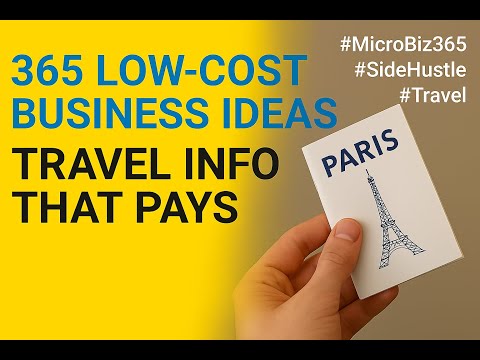
Video Breakdown
The source video walks through picking a narrow focus, gathering fresh information and getting the first sales. Watch the full video on YouTube for the full walkthrough.
Key Takeaways
- Pick one postcode area or travel style you know well.
- Collect current prices, opening times and quiet alternatives on the ground.
- Format the material as a clean 15–20 page PDF or simple site.
- Sell direct via your own page or place copies in local bike shops and cafés.
- Use basic SEO so people searching “Cotswolds off-road routes” find you.
- Partner with two or three small UK travel bloggers for cross-promotion.
Startup Costs in the UK
Most founders reach their first sale for well under £300. Typical outlay looks like this.
| Item | Approx. Cost (UK) | Notes |
|---|---|---|
| Domain and basic hosting | £15–£40 | One year via a UK registrar |
| PDF design tool | £0–£60 | Canva free tier or low-cost upgrade |
| Simple website builder | £0–£100 | WordPress.com or Carrd annual plan |
| Printed sample copies | £20–£50 | 50 short runs at a local printer in Bristol or Leeds |
| Initial photography | £0–£50 | Phone plus £10 stock image top-ups |
Total spend usually lands between £100 and £250 before any sales arrive.
Tools & Equipment Needed
- Laptop or tablet with internet
- Free or low-cost PDF editor
- Phone camera for fresh photos
- Simple website or Gumroad store
- Basic spreadsheet for tracking enquiries
How to Start
- Choose one narrow route or town you visit often.
- Visit again and note current prices, quiet times and local contacts.
- Write and lay out the guide in a single weekend.
- Set up a basic sales page and price it at £7–£15.
- Approach three independent shops or cafés for counter copies.
- Share the link on two UK travel Facebook groups and one subreddit.
- Track what sells and update the guide every six months.
Earnings & Scaling
First-month sales often sit between £50 and £200. After six months, consistent creators report £300–£800 monthly once reviews appear and a second guide is added.
Pros, Cons and Risks
Pros:
- Very low cash outlay
- Work from anywhere with a laptop
- Easy to test one guide before committing more time
Cons:
- Requires fresh research every season
- Competition from free blog posts
- Initial sales can be slow
Risks:
- Outdated information leads to refunds and poor reviews
- Local businesses may stop stocking guides without notice
UK-Specific Tips
- Register as self-employed with HMRC once monthly income tops £1,000.
- Include accurate Ordnance Survey references so readers can follow routes safely.
- Offer a free one-page summary in exchange for email addresses to build repeat buyers.
- Check Responsible Travel’s site for how they describe small-group ethical trips; mirror that tone in your own copy.
FAQ
Do I need travel experience?
Yes. Buyers expect current, first-hand detail rather than copied web content.
Can I sell physical copies?
Yes. Print short runs locally and place them in independent shops on consignment.
How do I handle updates?
Keep a simple change log and send existing buyers the new version at a reduced price.
Is insurance required?
Public liability cover is sensible once you lead paid walks or recommend activities.
Conclusion
Start with one focused guide, keep costs low and improve it after real customer feedback. browse more ideas on MicroBiz365.