Niche Cosmetics Business: UK Costs, Tools & First Customers
Startup Cost: £50–£300 | Difficulty: Beginner | Time to Start: 7 Days | Business Type: Online
Most attempts at niche cosmetics in the UK stall once safety rules and small-batch costs appear. Focus stays narrow: one skin concern, one community, repeated testing at markets before any wider claims.
Real UK Business Example
Lush Handmade cosmetics brand founded in Poole, famous for bath bombs and ethical sourcing. Market stall and kitchen-table makers often start before approaching high-street stockists.
What is Niche Cosmetics?
A niche cosmetics business makes small runs of skincare or colour products for groups that big brands skip, such as deeper skin tones or strict vegan preferences. Sales usually start with direct market stalls or local groups rather than retail shelves.
Video Breakdown
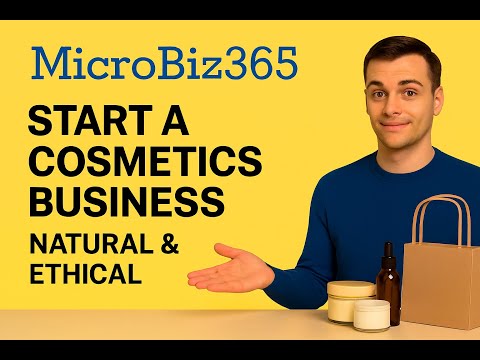
The video walks through picking a narrow audience, finding compliant ingredients, and moving from test batches to first paid orders. Watch the full video on YouTube for the complete walkthrough.
Key Takeaways
- Choose one clear skin issue that mainstream ranges ignore.
- Document every ingredient and run stability tests early.
- Start sales at markets or community events before building a site.
- Expect compliance costs to rise once monthly sales exceed a few hundred pounds.
- Track repeat orders closely; one-off buyers rarely cover ongoing testing fees.
Startup Costs in the UK
Plans that stay under £300 usually limit initial runs to samples and basic labels. Larger brands such as Lush began with similar kitchen-scale batches before scaling.
| Item | Approx. Cost (UK) | Notes |
|---|---|---|
| Ingredients and jars | £50–£120 | Small test quantities from UK suppliers |
| Labels and packaging | £20–£60 | CPNP-ready labels required once selling |
| Market stall fees | £0–£50 | Local council or community hall charges |
| Basic website trial | £0–£30 | Etsy or short Shopify test period |
| Photography and phone stand | £0–£20 | Natural light often sufficient at start |
Most founders reach first sales for roughly £100–£250 before committing to further batches or paid listings.
Tools & Equipment Needed
- UK cosmetic ingredient suppliers with batch traceability
- Digital scales accurate to 0.1 g
- Simple label printer or pre-printed compliant stickers
- Etsy, Shopify trial, or Gumroad for online orders
- Royal Mail or Evri account for shipping
How to Start
- Identify one postcode area or community group with an unmet skin need.
- Source small quantities of ingredients and record full INCI lists.
- Make 10–20 test units and gather honest feedback from local users.
- Book a market stall or pop-up table through the local council.
- Register with HMRC as self-employed once any sales occur.
- Notify via CPNP before selling outside test circles.
- Track which single product sells repeatedly before expanding the range.
Earnings & Scaling
Retail prices sit between £8 and £18. Early monthly revenue often stays below £800 even after several months; many stall entirely once testing and label costs are factored in. Margins of 35 % appear only when batches exceed 50 units and waste stays low.
Pros, Cons and Risks
Pros:
- Low material outlay while testing demand at markets
- Direct customer contact reveals formulation fixes quickly
Cons:
- CPNP notification and safety assessments add recurring cost
- Seasonal market income rarely covers steady living expenses
Risks:
- Allergic reactions from untested batches can end the venture fast
- Ingredient price spikes or supplier shortages disrupt small runs
UK-Specific Tips
- Check local council rules for cosmetic sales at markets before booking
- Use GOV.UK guidance on cosmetic product safety reporting
- Keep batch records for at least three years as HMRC may request them
- Test wording on labels with Trading Standards if selling online
FAQ
Do I need insurance before selling samples?
Public liability cover is sensible once you charge money, even at small markets.
How soon must I register with HMRC?
Register as self-employed once turnover looks likely to exceed £1,000 in a tax year.
Can I sell without a full safety assessment?
No. CPNP notification is required for any cosmetic product placed on the UK market.
Is it worth trying if big brands already exist?
Only if your narrow group shows repeated demand at local stalls first.
Conclusion
Small-batch cosmetics remain viable only when compliance and market testing come before larger ambitions. browse more ideas on MicroBiz365.