Running Dressing Screens Business: Realistic UK Startup Path From Home — UK Blueprint
Startup Cost: £80–£250 | Difficulty: Intermediate | Time to Start: 2–4 weeks | Business Type: Local + online
Fabric panels on wooden frames look straightforward, yet UK buyers remain thin on the ground outside a few design districts. Most makers find the market smaller than the videos suggest.
Real UK Business Example
Startups.co.uk Media and advice hub for UK founders covering funding, legal, and marketing. Content sites monetise through sponsors and courses.
What is Dressing Screens Business: Realistic UK Startup Path?
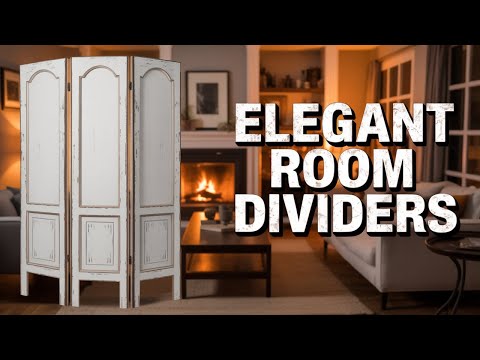
It means building or refurbishing folding room dividers and selling them as home décor. Panels are covered in fabric, wallpaper or reclaimed wood, then sold direct or through small retailers.
Video Breakdown
The video walks through basic frame construction, material choices and suggested selling prices. Watch the full video on YouTube for the full walkthrough.
Key Takeaways
- Frames need accurate joinery or they wobble and get returned.
- Material costs rise quickly once you add decent hinges and fabric.
- Local Facebook groups and Etsy both show low monthly sales volume.
- Custom requests often demand more time than the quoted price covers.
- Competition from cheap imports on Amazon undercuts handmade pricing.
Startup Costs in the UK
You can reach the first finished screen for under £250 if you already own basic tools.
| Item | Approx. Cost (UK) | Notes |
|---|---|---|
| Timber and hinges | £40–£80 | Softwood and three-panel hinges from Wickes or Screwfix |
| Fabric or wallpaper | £25–£60 | Remnants from local markets or The Cloth House |
| Basic tools and sander | £0–£50 | Assume some items already owned |
| Public liability insurance | £10–£15 | Monthly policy via Simply Business |
| Simple listing photos | £5–£20 | Phone tripod and basic backdrop |
Total outlay usually lands between £100 and £225 before any sales.
Tools & Equipment Needed
- Hand saw or mitre saw
- Drill, screws and corner brackets
- Sandpaper, primer and paint or fabric glue
- Measuring tape and square
- Camera phone for listings
How to Start
- Register as self-employed with HMRC before taking payment.
- Build one three-panel prototype and test stability in your own space.
- Photograph it against neutral walls and list on Etsy plus one local Facebook group.
- Visit two or three independent homeware shops in your postcode and ask about consignment.
- Track every hour spent; most first screens take 8–10 hours.
- Price at £180–£280 to leave margin after materials and returns.
- Review sales after six weeks and decide whether to continue.
Earnings & Scaling
One or two sales a month at £220 each is common for new sellers. Scaling requires either wholesale accounts or a steady stream of custom commissions, both of which move slowly in the current UK market.
Pros, Cons and Risks
Pros:
- Low material cost if using reclaimed wood.
- Can be made in a small garage or spare room.
- Product photographs well for social media.
Cons:
- High time input per unit.
- Few repeat buyers.
- Heavy to ship and easy to damage in transit.
Risks:
- Low overall demand outside London and Brighton postcodes.
- Price pressure from mass-produced imports.
- Customer expectations for perfect finish on a budget item.
UK-Specific Tips
- Check Startups.co.uk guides on basic sole-trader record keeping before you sell.
- Use local Facebook Marketplace first to avoid Etsy fees while testing price.
- Keep all receipts; HMRC may query material purchases if turnover stays low.
- Offer local collection only until you have proper packaging tested.
FAQ
Do I need planning permission?
No, but check lease terms if you are in a rented flat and using power tools regularly.
Can I sell at markets?
Yes, but most UK craft fairs charge £30–£60 pitch fees and dressing screens take up significant space.
What if a screen is returned damaged?
Factor a 10% returns buffer into pricing; fabric panels are hard to repair neatly.
Is insurance required?
Public liability cover is strongly advised once you sell beyond friends and family.
Conclusion
The numbers only work if you already enjoy the making process and treat it as occasional craft income rather than reliable revenue. browse more ideas on MicroBiz365.