Crystal Business: Launch Steps Under £300 (UK)
Startup Cost: £50–£300 | Difficulty: Beginner | Time to Start: 7 Days | Business Type: Local
Crystal selling draws plenty of interest yet most beginners overbuy stock that sits unsold. A handful of UK sellers test demand first through established marketplaces instead of building their own shop straight away.
What is Crystal Selling Business?
It means buying crystals in small lots and reselling them as individual pieces or simple bundles, mainly online. No workshops or custom work required at the start.
Video Breakdown
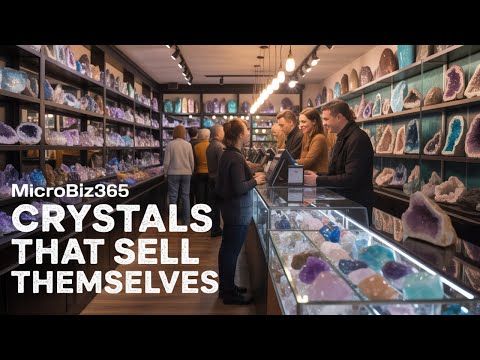
The video walks through sourcing, basic listing and first sales without heavy outlay. Watch the full video on YouTube for the full walkthrough.
Key Takeaways
- Start with under 20 pieces to test what actually sells locally.
- Use existing marketplaces rather than a new website.
- Expect returns and damage on fragile stock.
- Keep records from day one for HMRC.
- Price at 2.5–3 times cost to cover fees and time.
- Most first-month sales come from repeat local buyers.
Startup Costs in the UK
MicroBiz365 keeps costs under £300; free tools and our PDF where possible. Here's a breakdown of the estimated startup costs:
| Item | Approx. Cost (UK) | Notes |
|---|---|---|
| Initial crystal stock | £80 | Small wholesale lot from a UK gem supplier |
| Packaging and labels | £35 | Bubble mailers and printed tags |
| Marketplace fees | £20 | First month listings on Etsy or eBay |
| Basic scales and photos | £45 | Phone tripod and lighting already owned by most |
| Insurance top-up | £30 | Public liability add-on if selling at markets |
In practice, you can get to your first paying client for a total setup spend of roughly £100–£250, well under the £300 mark, then upgrade tools and protection as the business grows.
Tools & Equipment Needed
- Account on Notonthehighstreet or Etsy
- Digital kitchen scales accurate to 0.1 g
- Plain padded envelopes and tissue
- Phone for product photos
- Simple spreadsheet for stock tracking
How to Start
- Register as self-employed with HMRC before any sales.
- Order a test batch from a UK wholesaler in Birmingham or London.
- Photograph stock on a plain background and list on one marketplace.
- Set prices to cover fees, returns and your time.
- Offer collection in your postcode area to cut postage costs.
- Track every sale and expense from the first transaction.
- Review sales after 30 days and drop slow lines.
Earnings & Scaling
Individual pieces usually sell between £6 and £18. Monthly revenue for a cautious starter often sits between £150 and £600 after fees, though many months are lower while you learn what moves.
Pros, Cons and Risks
Pros:
- Low entry spend
- Can run from a kitchen table
- Easy to pause without losing much
Cons:
- Stock damage and returns eat margins
- Trend-driven demand fades quickly
- Marketplaces take 10–15 % plus payment fees
Risks:
- Overbuying crystals that never sell
- Trading standards checks on healing claims
- Competition from cheap imports
UK-Specific Tips
- Check whether crystals need any import paperwork if buying from outside the UK.
- Avoid medical claims on listings to stay within ASA rules.
- Use Royal Mail Click & Drop for tracked postage under £3.
- Consider Notonthehighstreet once you have ten consistent listings.
FAQ
Do I need a website?
No. Most new sellers start on Etsy or Notonthehighstreet and only build a site after consistent sales.
How do I handle returns?
Offer 14-day returns but factor the cost into your pricing from the start.
Is insurance required?
Public liability cover is cheap and often requested by markets or craft fairs.
Can I sell at car-boot sales?
Yes, but check the site rules and take a simple card reader for contactless payments.
Conclusion
Crystal selling rewards careful stock choices and patience more than big spending. browse more ideas on MicroBiz365.