Running Baking Class Business From Home — UK Blueprint
Startup Cost: £50–£300 | Difficulty: Beginner | Time to Start: 7 Days | Business Type: Local
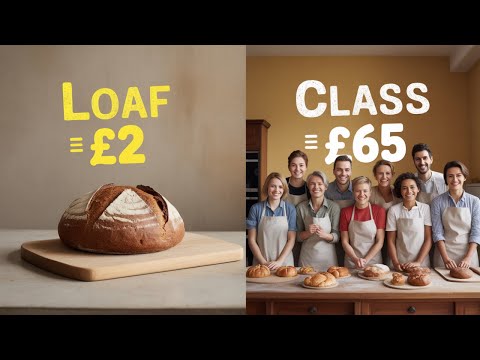
Imagine teaching people how to bake in a hands-on environment, with each student paying £65 for a class where ingredients cost less than £2.
What is Baking Class Business?
A baking class business involves teaching people how to bake, focusing on the experience rather than just selling baked goods. This can be done in various settings, including community halls, schools, and home.Video Breakdown
The video covers the basics of starting a baking class business, including obtaining necessary certifications and insurance, choosing a teaching model, and developing a niche. It also discusses marketing strategies and pricing. Watch the full video on YouTube for the full walkthrough.Key Takeaways
- Obtain necessary certifications and insurance
- Choose a teaching model (e.g. community hall, school food tech room, mobile model)
- Develop a niche (e.g. sourdough, gluten-free baking, cake decorating)
- Plan your pricing, considering costs and profit margins
- Develop a marketing strategy to attract customers
Startup Costs in the UK
Initial investments can be minimal, with costs including:| Item | Approx. Cost (UK) | Notes |
|---|---|---|
| Basic branding | £0-40 | Business cards, flyers |
| Tools and equipment | £0-50 | Utensils, baking sheets |
| First materials or ingredients | £30-100 | Flour, sugar, yeast |
Tools & Equipment Needed
Some of the tools and equipment you'll need include:- Mixing bowls
- Measuring cups and spoons
- Baking sheets and utensils
- Ingredients (flour, sugar, yeast, etc.)
How to Start
Here are the steps to start a baking class business:- Obtain necessary certifications and insurance
- Choose a teaching model (e.g. community hall, school food tech room, mobile model)
- Develop a niche (e.g. sourdough, gluten-free baking, cake decorating)
- Plan your pricing, considering costs and profit margins, similar to how Cutter & Squidge have successfully priced their baking experiences
- Develop a marketing strategy to attract customers
- Prepare your tools and equipment
Earnings & Scaling
With the right approach, you can earn £290 per morning, with potential for higher earnings as your business grows.Pros, Cons and Risks
Pros:
- Low startup costs
- High-margin business
- Flexible scheduling
Cons:
- Initial marketing efforts required
- Dependence on customer bookings
Risks:
- Failure to obtain necessary certifications and insurance
- Inability to attract and retain customers
UK-Specific Tips
Consider registering with HMRC and obtaining any necessary food hygiene certifications.FAQ
What kind of insurance do I need?
You will need public liability insurance and possibly other types of insurance, depending on your specific business model.
How do I develop a niche?
Consider what type of baking you specialize in and what kind of classes you want to offer. Research your competition and identify gaps in the market.
What kind of marketing strategy should I use?
Develop a marketing strategy that targets your ideal customer, using social media, flyers, and other local advertising methods.
Conclusion
Starting a baking class business can be a rewarding and profitable venture. With the right approach and planning, you can create a successful business that brings in a steady income. Browse more ideas on MicroBiz365.