AI Flyer Campaigns Helping UK Neighbourhood Businesses: UK Costs, Tools & First Customers
Startup Cost: £50–£250 | Difficulty: Beginner | Time to Start: 7 Days | Business Type: Local
Plenty of window cleaners, patio firms and gutter specialists in places like Manchester M20 or Bristol BS7 still rely on paper drops. You can use free AI tools to create their offers and organise the print and delivery for them.
Real UK Business Example
Yell.com Online directory evolved from Yellow Pages helping UK trades appear in local search. Listing optimisers charge monthly citation management.
What is AI Flyer Campaigns Helping UK Neighbourhood Businesses?
You design simple A5 flyers with AI, bundle printing and door-to-door distribution, then sell the whole package at a fixed price to local trades. The client pays upfront and you handle the rest.
Video Breakdown
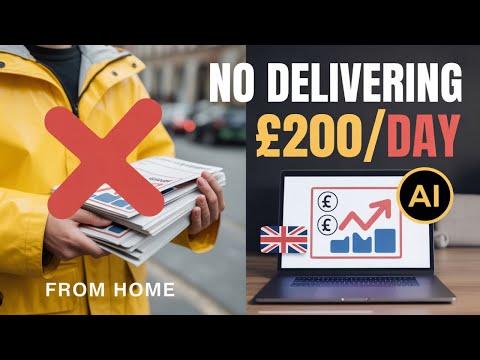
The video shows how to pick offers, build two versions of a flyer and test them in different postcodes. Watch the full video on YouTube for the full walkthrough.
Key Takeaways
- Pick one service type first, such as patio cleaning.
- Write offers like “free bin clean with every patio job”.
- Produce two flyer versions and split the drop across two streets.
- Quote a fixed price that covers print, delivery and your time.
- Track which version brings the most calls back to the client.
- Use Yell.com listings to find fresh prospects each week.
Startup Costs in the UK
Everything fits under £300 if you start small.
| Item | Approx. Cost (UK) | Notes |
|---|---|---|
| Canva Pro (monthly) | £10 | First month only |
| 5000 A5 flyers printed | £85 | Local printer quote |
| Door-to-door delivery | £60 | Royal Mail or local team |
| Basic contract template | £15 | From a solicitor site |
| Domain and simple site | £20 | One-year hosting |
Total outlay roughly £190 for the first paid campaign.
Tools & Equipment Needed
- Laptop with internet
- Canva or similar AI design tool
- UK printer account
- Simple payment link (Stripe or PayPal)
- Spreadsheet for tracking drops and results
How to Start
- Walk two streets near you and note the van liveries that appear often.
- Search those business names on Yell.com to get phone numbers.
- Call and offer a 5000-home drop at a set price.
- Design the flyer in Canva using their logo and an AI-generated offer.
- Get written approval and payment before ordering print.
- Book delivery through a local distributor or Royal Mail Door to Door.
- Send the client a short report with any feedback from residents.
Earnings & Scaling
A single 5000-home campaign can be sold for £250–£350. After print and delivery you keep £100–£180. Two campaigns a week is realistic once you have three or four regular clients.
Pros, Cons and Risks
Pros:
- Very low equipment needs
- Clients pay before work starts
- Easy to test one postcode at a time
Cons:
- Weather can delay outdoor drops
- Some clients expect instant phone calls
- Printing prices rise with paper costs
Risks:
- UK GDPR rules apply if you collect any resident data
- Leaflet distribution must follow ASA codes
- One poor drop can lose a client for good
UK-Specific Tips
- Register as self-employed with HMRC before the first invoice.
- Check local council rules on leaflet distribution in your borough.
- Keep every receipt for print and fuel; use FreeAgent or similar for tax.
- Offer a second drop at a discount to the same streets after four weeks.
FAQ
Which trades respond best?
Window cleaners, gutter specialists, driveway companies and domestic cleaners see the quickest replies.
Do I need a van or storage?
No. The printer delivers straight to the distribution team.
How do I find the first client?
Start with businesses already listed on Yell.com in your postcode area and ring them directly.
What happens if the client gets no calls?
Offer a discounted repeat drop using a revised offer; most accept.
Conclusion
This is steady local work that rewards testing small areas and keeping records. browse more ideas on MicroBiz365.