Low-cost Massage Business: Equipment, Pricing & Leads (UK)
Startup Cost: Under £300 | Difficulty: Moderate | Time to Start: 3–6 months | Business Type: Mobile service
Therapists who travel to clients cut fixed costs and fill slots through platforms that already have demand in London, Manchester and Birmingham.
Real UK Business Example
Urban Massage On-demand platform connecting therapists with home and office clients across major UK cities. Mobile practitioners fill diaries through an app rather than salon rent.
What is Low-cost Massage Business?
A mobile massage service takes the table to the client’s home or office. No premises rent, just transport and a diary managed through apps or direct bookings.
Video Breakdown
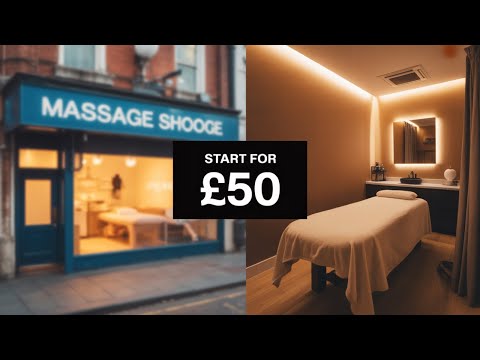
The video walks through Level 3 training costs, table choice and how to get first clients without a salon. Watch the full video on YouTube for the full walkthrough.
Key Takeaways
- Level 3 qualification is the minimum insurers accept.
- Table and oils fit in a small car or on public transport.
- Urban Massage and similar apps supply ready clients in major cities.
- £40–£70 per hour is common for mobile work.
- Public liability insurance costs £80–£120 a year.
- Repeat clients come from golf clubs, offices and Pilates studios.
Startup Costs in the UK
All figures below keep the total under £300.
| Item | Approx. Cost (UK) | Notes |
|---|---|---|
| Level 3 massage course | £150–£220 | Pay-as-you-go options available |
| Portable massage table | £80–£110 | Lightweight aluminium models |
| Oils, towels, sanitiser | £25–£40 | Initial stock from wholesalers |
| Public liability insurance | £80–£120 | Annual policy via FHT or IPTI |
| Simple website or profile | £0–£30 | Use existing app profiles first |
Total outlay usually lands between £100 and £250 before any paid marketing.
Tools & Equipment Needed
- Foldable massage table under 15 kg
- Oil holster and washable towels
- Card reader or phone payment app
- DBS check certificate
- Printed terms and consent forms
How to Start
- Book a Level 1 taster day to confirm the work suits you.
- Enrol on a Level 3 course recognised by the FHT or CNHC.
- Arrange public liability cover before seeing paying clients.
- Sign up to Urban Massage or similar platforms in your city.
- Print simple cards and leave them at local tennis clubs and offices.
- Set a fixed radius, for example within 8 miles of your postcode, to control travel time.
- Track every session in a simple spreadsheet for HMRC self-assessment.
Earnings & Scaling
Therapists charging £50 an hour and completing 20 sessions a week gross around £4,000 monthly before fuel and tax. Scaling means adding a second therapist or moving into corporate contracts rather than raising rates beyond local norms.
Pros, Cons and Risks
Pros:
- No monthly salon rent
- Flexible hours around other work
- Low entry cost
Cons:
- Carrying kit on buses or trains
- Variable weekly income at the start
- Physical wear from repeated sessions
Risks:
- Client cancellations at short notice
- Need to maintain strict hygiene standards
- Insurance void if unqualified
UK-Specific Tips
- Register as self-employed with HMRC within three months of first paid session.
- Check council rules on treating clients in rented flats in some London boroughs.
- Use local Facebook groups for the nearest golf or tennis club rather than national ads.
- Keep receipts for mileage if claiming the HMRC 45p per mile rate.
FAQ
What qualification is required?
A Level 3 diploma in massage is the standard most insurers and platforms expect.
Do I need a car?
Many city therapists use public transport with a lightweight table, though a car widens the area you can cover.
How do I get insured?
Join the Federation of Holistic Therapists or the Independent Professional Therapists International for annual cover around £100.
Can I work from home too?
Yes, but most mobile operators start with visits to avoid commercial premises costs and planning issues.
Conclusion
The model suits qualified therapists who prefer travel to fixed rent. browse more ideas on MicroBiz365.