Wholesale Business: Kit, Rates & Sales Tips (UK)
Startup Cost: £50–£300 | Difficulty: Beginner | Time to Start: 7 Days | Business Type: Local
Small designers and hobbyists often pay retail prices for fabrics, but there's a more cost-effective way to source high-quality materials. By tapping into the global market, you can offer a wide range of fabrics at competitive prices, making your business an attractive option for designers, sewing clubs, and students.
What is Wholesale Fabric Business?
Sourcing wholesale fabrics online allows you to tap into the global market, offering a wide range of fabrics at competitive prices. This makes your business an attractive option for designers, sewing clubs, and students. You can explore online marketplaces, build a website, and market your business to reach a wider audience.
Video Breakdown
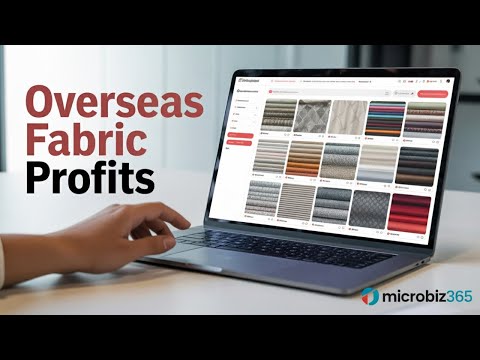
This article is based on a video walkthrough that covers the process of sourcing wholesale fabrics online, including exploring online marketplaces, building a website, and marketing your business. Watch the full video on YouTube for the full walkthrough.
Key Takeaways
- Explore online marketplaces like eBay to find a demand for fabrics
- Categorize your stock properly to make it easier for customers to find what they need
- Build a website using a platform like Shopify or WooCommerce and use SEO techniques to target niche terms
- Add a payment gateway to your website to make it easy for customers to make purchases
- Focus on offline sales by visiting schools, night classes, and sewing clubs to offer better prices and more variety than local stores
- Network with designers who require high-quality, unique, and convenient fabrics
Startup Costs in the UK
MicroBiz365 keeps costs under £300; free tools and our PDF where possible.
| Item | Approx. Cost (UK) | Notes |
|---|---|---|
| Website & hosting | £0 | Use free tools and our PDF guide |
| Branding basics | £0-£40 | Basic logo and branding materials |
| Tools/equipment | £50-£100 | Basic fabric cutting and measuring tools |
| Contract/template | £0-£50 | Basic contract and template for sales |
| Marketing materials | £20-£50 | Basic flyers and business cards |
| Travel costs | £20-£50 | Travel costs for attending fabric markets |
In practice, you can get to your first paying client for a total setup spend of roughly £100–£250, well under the £300 mark, then upgrade tools and protection as the business grows. For comparison, cash-and-carry wholesalers like Booker Wholesale offer bulk goods to independent shops and cafes, but their pricing model is geared towards larger businesses.
Tools & Equipment Needed
- Computer or laptop with internet access
- Website platform (e.g. Shopify or WooCommerce)
- Payment gateway
- Basic fabric cutting and measuring tools
- Basic contract and template for sales
- Basic marketing materials (flyers, business cards)
How to Start
- Begin by exploring online marketplaces like eBay, which has over 40,000 fabric listings, indicating a demand for these products.
- Categorize your stock properly to make it easier for customers to find what they need.
- Build a website using a platform like Shopify or WooCommerce, and use Search Engine Optimization (SEO) techniques to target niche terms like "hobby fabrics" or "corduroy by the meter".
- Add a payment gateway to your website to make it easy for customers to make purchases.
- Focus on offline sales by visiting schools, night classes, and sewing clubs to offer better prices and more variety than local stores.
- Carry swatches to show potential customers and gather feedback to improve your product offerings.
- Network with designers who require high-quality, unique, and convenient fabrics.
Earnings & Scaling
You can potentially earn £500-£2,000 per month, depending on sales volume and pricing strategy. Wholesale fabric prices in the UK can range from £5-£20 per meter, depending on the type and quality of the fabric.
Pros, Cons and Risks
Pros:
- Low startup costs
- Flexibility to work from home or a small office
- Opportunity to build relationships with designers and sewing clubs
Cons:
- Requires ongoing marketing and sales efforts
- May require travel to attend fabric markets or meet with customers
- Dependent on reliable suppliers and shipping
Risks:
- Market fluctuations in fabric prices or demand
- Competition from established wholesalers or online retailers
- Quality control issues with suppliers or shipping
UK-Specific Tips
- Register with HMRC as a sole trader or limited company
- Ensure compliance with UK tax laws and regulations
- Consider joining a trade association or networking group for wholesalers or fabric suppliers
FAQ
What kind of fabrics can I sell?
You can sell a wide range of fabrics, including cotton, polyester, linen, and more. Consider specializing in a specific type of fabric, such as hobby fabrics or wholesale fabrics for fashion designers.
How do I find suppliers?
You can find suppliers by attending fabric markets, searching online, or contacting manufacturers directly. Consider working with multiple suppliers to ensure a consistent supply of high-quality fabrics.
How do I market my business?
You can market your business by building a website, using social media, and attending trade shows or networking events. Consider targeting specific niches, such as hobby sewers or fashion designers, to build a loyal customer base.
Conclusion
Starting a wholesale fabric business in the UK can be a rewarding and profitable venture, with low startup costs and flexible working arrangements. By following the steps outlined in this guide and staying focused on your target market, you can build a successful business and achieve your goals. For more business ideas, browse more ideas on MicroBiz365.