Premium Hosiery Business: Sizing for Fewer Returns: UK Costs, Tools & First Customers
Startup Cost: £50–£300 | Difficulty: Beginner | Time to Start: 7 Days | Business Type: Local
Sarah from Leeds kept buying tights that bagged at the knees or dug in at the waist. A premium hosiery business tries to fix that frustration with better charts and fabric, yet stock, returns and thin margins still slow most new sellers.
Real UK Business Example
Harrods Luxury department store with premium own-label goods and corporate gifting desks. Premium service brands study its packaging and clienteling.
What is Premium Hosiery Business?
A premium hosiery business sells higher-grade tights, stockings and knee-highs through an online shop or small retail tie-ups. Success hinges on a reliable sizing chart, decent fabric and repeat orders rather than one-off sales.
Video Breakdown
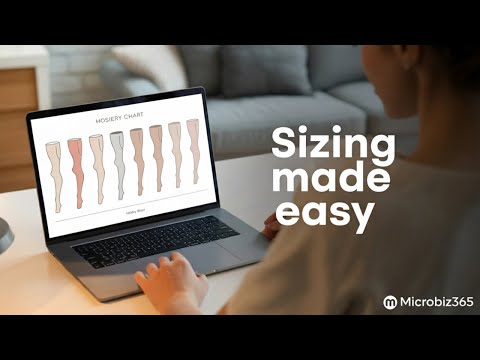
The video walks through building a sizing chart, finding suppliers and setting up a basic store. Watch the full video on YouTube for the full walkthrough.
Key Takeaways
- Accurate sizing reduces returns; generic charts rarely work.
- Multi-buy discounts help but eat into already thin margins.
- Alibaba suppliers need samples checked in person before ordering bulk.
- Trade shows cost more in time than they return in orders for beginners.
- Boutique partnerships require consistent stock and 30-day payment terms.
Startup Costs in the UK
MicroBiz365 keeps costs under £300. Here is a realistic table for a first run.
| Item | Approx. Cost (UK) | Notes |
|---|---|---|
| Website & hosting | £0–£25 | Basic Shopify trial or free subdomain |
| Branding basics | £0–£40 | Simple logo from a local designer in your postcode |
| Photography kit | £30–£80 | Second-hand ring light and backdrop |
| Sample stock | £50–£100 | One size run from a UK wholesaler |
| Packaging | £20–£50 | Mimic Harrods tissue and ribbon for first 50 packs |
In practice you can reach your first paying customer for roughly £100–£250 before buying more inventory.
Tools & Equipment Needed
- Decent sizing chart template or paid licence
- Basic product photography setup
- E-commerce platform with UK tax settings
- Packaging materials that survive Royal Mail
How to Start
- Measure 20 real customers and build your own size chart before selling anything.
- Register as self-employed with HMRC for trading income.
- Order samples from two suppliers and test wash and wear for two weeks.
- Set up a simple online shop with clear returns policy.
- Photograph products under natural light on UK skin tones.
- List first 30 pairs and promote locally via Facebook groups in your area.
- Track every return reason in a spreadsheet from day one.
Earnings & Scaling
Real margins sit around 40-55% after returns and packaging. Selling 15 pairs a week at £12 each might leave £150–£200 profit once costs are covered. Growth usually stalls until you solve the sizing complaint that drives most refunds.
Pros, Cons and Risks
Pros:
- Repeat purchases every 3–6 months for some customers.
- Low physical space needed.
Cons:
- High return rate on first orders.
- Price pressure from supermarket own-brand tights.
Risks:
- Supplier fabric changes without notice.
- Seasonal demand that leaves dead stock in summer.
UK-Specific Tips
- Check HMRC VAT threshold before scaling past £90k turnover.
- Use local Facebook groups rather than paid ads at the start.
- Label packaging clearly for easy returns to avoid chargebacks.
- Study Harrods packaging standards for tissue wrap and thank-you cards if you want to charge premium prices.
FAQ
Do I need stock before launching?
Yes. Pre-order models create too many sizing complaints and refund requests.
Can I sell only online?
Most beginners start online but need at least one local pop-up to test real fit feedback.
How important is the sizing chart?
Critical. A generic chart is the fastest way to lose customers to returns.
Is premium hosiery seasonal?
Stronger in autumn and winter; summer sales drop sharply unless you add lighter deniers.
Conclusion
The idea works only if you obsess over fit and accept modest volume at first. browse more ideas on MicroBiz365.