UK Mobile Foot Business: Pricing, Kit & Getting Clients
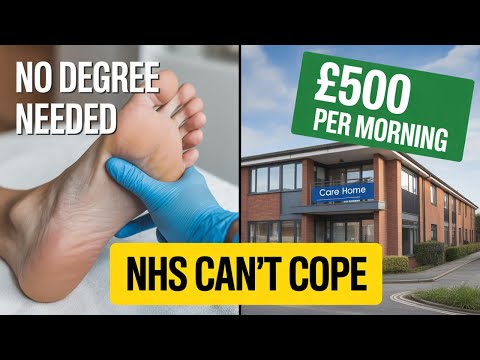
Startup Cost: £120–£280 | Difficulty: Moderate | Time to Start: 4–8 weeks | Business Type: Local service
Many people assume an ageing population automatically creates easy money for mobile foot care. The work is steady but demands proper training, insurance and the willingness to handle older clients who often cancel or pay late.
Real UK Business Example
Mobile Foot Care NHS-aligned podiatry service visiting UK care homes and private clients. Foot health technicians productise quarterly maintenance plans.
What is Mobile Foot Business?
A mobile foot health practitioner visits clients at home or in care homes to cut nails, reduce calluses and advise on basic foot health. The service sits between beauty and medical care and requires a recognised diploma rather than a weekend course.
Video Breakdown
The video walks through the diploma route, leasing an autoclave and drill, basic marketing and the reality of building a client list from scratch. Watch the full video on YouTube for the full walkthrough.
Key Takeaways
- Foot health practitioner diploma typically starts with a £99 deposit then £100–£150 monthly.
- Refurbished autoclave and drill lease for £60–£80 per month after initial setup.
- Public liability and treatment insurance adds £180–£250 in the first year.
- Most new practitioners start with 8–12 clients per week before scaling.
- Quarterly maintenance plans are the main way established operators keep income predictable.
- Working with care homes requires DBS checks and often a simple service level agreement.
Startup Costs in the UK
Most people can begin under £300 if they lease equipment and avoid unnecessary kit.
| Item | Approx. Cost (UK) | Notes |
|---|---|---|
| Diploma deposit | £99 | Many providers spread the rest monthly |
| First month equipment lease | £60–£80 | Autoclave and drill package |
| Insurance (year 1) | £180–£220 | Public liability plus treatment risk |
| DBS check & basic uniform | £50 | Enhanced DBS for care settings |
| Business cards & simple website | £40–£60 | Local print and basic one-page site |
Total outlay usually lands between £120 and £250 before the first paying client.
Tools & Equipment Needed
- Leased autoclave and electric drill with dust extraction
- Basic podiatry instruments and single-use blades
- Protective gloves, aprons and foot soaks
- Portable treatment chair or stool
- Record-keeping folder or simple tablet app
How to Start
- Enrol on an accredited foot health practitioner diploma and complete the first modules.
- Arrange enhanced DBS check and public liability insurance before seeing clients.
- Lease the autoclave and drill package once you have proof of training.
- Register as self-employed with HMRC and open a separate business account.
- Print simple cards and contact local care homes and GP surgeries for referrals.
- Offer a first-visit price that includes a basic assessment and nail trim.
- Build a quarterly maintenance plan once you have five or six regular clients.
Earnings & Scaling
Realistic early earnings sit around £1,200–£1,800 per month after costs once you reach 10–12 visits a week. Operators who secure care-home contracts or steady private clients can push towards £2,500–£3,000 monthly, but that usually takes 12–18 months and consistent marketing. Claims of £70k are possible only with multiple therapists or very high volume.
Pros, Cons and Risks
Pros:
- Repeat quarterly work once clients are established
- Low equipment outlay if leasing
- Flexible hours around other commitments
Cons:
- Training and insurance take time and money upfront
- Travel between clients eats into hourly rate
- Older clients often need extra time and patience
Risks:
- Accidental injury leading to insurance claims
- Care homes changing suppliers or tightening rules
- Competition from fully qualified podiatrists in some areas
UK-Specific Tips
- Check whether your local integrated care board has any preferred supplier lists for foot care.
- Keep detailed treatment notes; they protect you if a client later questions the service.
- Register for VAT only if turnover looks likely to exceed the threshold; most solo operators stay below it.
- Park near the client’s property rather than blocking care-home entrances when visiting multiple residents.
FAQ
Do I need to be a podiatrist?
No. A foot health practitioner diploma is the usual entry route; full podiatry training is longer and more expensive.
How long before I see clients?
Most people finish the core diploma modules and start seeing clients within six to eight weeks.
Is insurance essential?
Yes. Treatment risk and public liability cover are required by most care homes and sensible for private work.
Can I work with the NHS?
Direct NHS contracts are rare for new foot health practitioners; most work is private or through care homes.
Conclusion
Mobile foot care can provide steady local income if you treat it as a proper service business rather than a quick side hustle. browse more ideas on MicroBiz365.