Meal Prep Business: UK Costs, Tools & First Customers
Startup Cost: £50–£300 | Difficulty: Beginner | Time to Start: 7 Days | Business Type: Local
James in Manchester noticed office workers buying the same supermarket salads every day. He started cooking five chicken and rice portions in his flat kitchen and dropped them off on his bike after work.
Real UK Business Example
Gousto Recipe-box subscription delivering pre-portioned ingredients and chef-designed meals UK-wide. Recurring food boxes combine content with logistics.
What is Meal Prep Business?
A meal prep delivery service means cooking batches of balanced meals in a domestic kitchen, packing them into reusable containers and delivering them locally, usually on a weekly subscription or one-off basis.
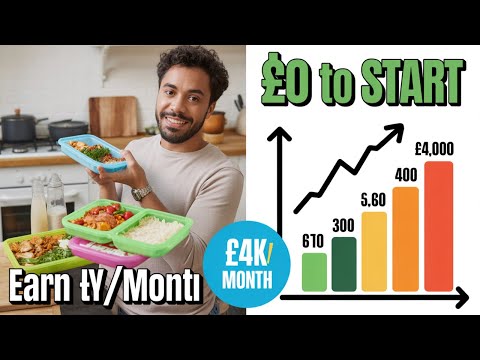
Video Breakdown
Watch the full video on YouTube for the full walkthrough.
Key Takeaways
- Pick one postcode cluster first, such as M1 or M3, so delivery time stays under 30 minutes.
- Offer three core meals that rotate weekly rather than a full menu.
- Charge £6–£8 per portion when selling direct; Gousto charges more because of packaging and national reach.
- Use a simple Google Form for orders and collect payment by bank transfer.
- Test demand with a two-week trial before buying extra fridge space.
- Keep photos on Instagram showing the food, not the kitchen.
Startup Costs in the UK
Most founders start with existing kitchen kit and spend mainly on ingredients and basic packaging.
| Item | Approx. Cost (UK) | Notes |
|---|---|---|
| Ingredients (first week) | £60 | Buy from Booker cash-and-carry in bulk packs. |
| Food containers (50) | £35 | Reusable polypropylene tubs from catering suppliers. |
| Labels and bags | £15 | Printed address labels from any stationer. |
| Basic scales and thermometer | £25 | Required for basic food hygiene compliance. |
| Initial fuel or bike battery | £20 | Local deliveries only. |
In practice, you can get to your first paying client for a total setup spend of roughly £100–£250.
Tools & Equipment Needed
- Large stockpots and baking trays already in most kitchens.
- Digital kitchen scales accurate to 1 g.
- Probe thermometer for checking core temperatures.
- Chest freezer if scaling past 30 portions a week.
- Insulated delivery bags from Amazon or local catering shops.
How to Start
- Register as self-employed with HMRC online, takes ten minutes.
- Complete the free Level 2 Food Hygiene course on the FSA website.
- Contact three nearby offices or gyms and offer a sample box at cost.
- Source chicken, rice and veg from Booker or the nearest cash-and-carry.
- Cook on Sunday evening, label every container with date and allergens.
- Deliver Tuesday and Thursday evenings within a three-mile radius.
- Ask each customer for a short review after the first week.
Earnings & Scaling
Twenty regular portions a week at £7 each brings in £140. After ingredients and packaging, profit sits around £60–£80. Add a second delivery day or another postcode once weekly orders hit 40.
Pros, Cons and Risks
Pros:
- Low equipment outlay if you already cook at home.
- Repeat orders reduce marketing spend after the first month.
- Flexible hours around a main job.
Cons:
- Early mornings or late evenings for prep and delivery.
- Food waste if orders are misjudged.
- Weather affects bike or scooter deliveries.
Risks:
- Allergen complaints if labelling slips.
- Local council rules on selling from a domestic kitchen.
- Competition from national boxes once you grow past one van.
UK-Specific Tips
- Check with your local environmental health team before advertising cooked meals.
- Post in neighbourhood Facebook groups rather than broad city pages.
- Keep all receipts for ingredients; HMRC allows reasonable home kitchen expenses.
- Use the same three postcodes for six weeks to build reliable routes.
FAQ
Do I need a separate commercial kitchen?
Most start from home. Once weekly volume exceeds 100 portions, councils usually require a registered unit.
How do I handle dietary requests?
Offer one vegetarian and one higher-protein option each week; keep the third meal standard.
What insurance is required?
Public liability cover from £5 a month through most comparison sites is enough for local deliveries.
Can I use my own recipes?
Yes, but keep them simple and repeatable so cooking time stays under three hours per batch.
Conclusion
Start with ten portions, deliver them yourself and adjust the menu from real feedback. browse more ideas on MicroBiz365.