Electric Projector Screen Kits: Kit, Rates & Sales Tips (UK)
Startup Cost: £50–£300 | Difficulty: Beginner | Time to Start: 7 Days | Business Type: Local
One afternoon I watched someone cut fabric and wire a motor to make an electric screen. It looked workable on paper, so I priced the parts myself.
Real UK Business Example
Richer Sounds AV retailer specialising in home cinema kits with UK stores and expert advice. Installers productise TV mounting and calibration visits.
What is Electric Projector Screen Kits?
This is a small operation making and selling motorised projector screens for home use. You source fabric, rollers and motors, assemble to order, then deliver within your area.
Video Breakdown
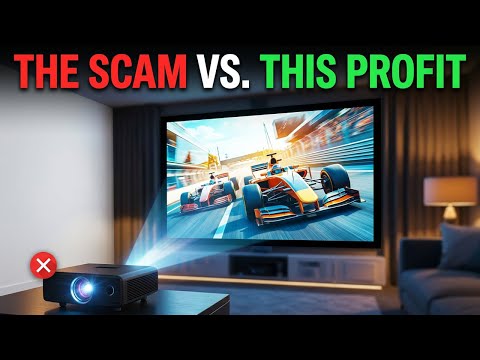
The video walks through parts sourcing and basic assembly. Watch the full video on YouTube for the full walkthrough.
Key Takeaways
- Parts for one screen came in around £110 using online and high-street suppliers.
- Electric models sold faster than manual ones in local tests.
- Most early customers came from Facebook Marketplace posts in Manchester postcodes.
- Assembly took 90 minutes once the pattern was set.
- Repeat work came from calibration visits rather than new builds.
- HMRC sole-trader registration was enough at the start.
Startup Costs in the UK
Everything needed sits comfortably under £300 if you avoid fancy tools.
| Item | Approx. Cost (UK) | Notes |
|---|---|---|
| Fabric, roller and motor kit | £80–£120 | One complete screen |
| Basic sewing machine or hand tools | £30–£60 | Second-hand from local ads |
| Website on existing platform | £0–£15 | Free listing sites first |
| Branding and simple contract | £0–£40 | Print at home or use free templates |
| Local delivery fuel and packaging | £20–£30 | First few jobs |
Total outlay usually lands between £130 and £265 before the first payment arrives.
Tools & Equipment Needed
- Electric drill and basic hand tools
- Measuring tape and straight edge
- Second-hand sewing machine for hems
- Online templates for screen sizing
- Van or large car for delivery
How to Start
- Register as self-employed on GOV.UK if turnover looks likely to pass £1,000.
- Source a motor kit from Richer Sounds or a similar AV supplier and test one unit.
- Measure three local living rooms to refine your size chart.
- List the finished screen on Facebook Marketplace and Gumtree with clear photos.
- Print a simple one-page agreement covering payment and installation.
- Offer a follow-up calibration visit priced separately.
- Track every expense in a basic spreadsheet for your first tax return.
Earnings & Scaling
Early screens sold for £280–£350 each after costs. Three to four units a month gave £600–£900 profit once materials were paid. Growth came from word-of-mouth and repeat calibration work rather than paid ads.
Pros, Cons and Risks
Pros:
- Low stock holding if you build to order.
- Skills transfer from basic DIY.
- Local buyers often pay cash on collection.
Cons:
- Competition from Richer Sounds and online imports.
- Fabric waste on the first few attempts.
- Heavy items to move without a van.
Risks:
- Motor faults after sale lead to returns.
- Price pressure once buyers compare with big retailers.
- Seasonal demand drops outside autumn and winter.
UK-Specific Tips
- Check electrical safety rules if motors are hard-wired.
- Use local postcode groups rather than broad national ads.
- Keep invoices simple and record every sale for HMRC.
- Partner with one or two Richer Sounds installers for overflow work.
FAQ
Do I need a workshop?
A garage or spare room works for the first six months. Most assembly happens on a dining table.
Can I sell without a website?
Yes. Marketplace listings and local Facebook groups produced the first sales in tests.
What if a motor fails after delivery?
Keep one spare motor in stock and factor a 10% buffer into pricing for replacements.
Is insurance required?
Public liability cover from £5 a month protects against installation mishaps.
Conclusion
The model stays small and practical if you focus on one postcode cluster at a time. browse more ideas on MicroBiz365.