Feng Shui Consulting: Realistic UK Startup Costs: Real Costs & First Paid Jobs (UK)
Startup Cost: £50–£300 | Difficulty: Beginner | Time to Start: 7 Days | Business Type: Local
Few people in the UK actively search for feng shui fixes. Those who do usually live in bigger cities and expect quick, cheap advice rather than full audits.
Real UK Business Example
Feng Shui Store UK ecommerce shop for cures, consultations, and training materials on classical feng shui. Consultants offer home audits remotely via video.
What is Feng Shui Consulting: Realistic UK Startup Costs?
Feng shui consulting applies classical Chinese principles to room layout, object placement and energy flow. In the UK most work involves video calls or short home visits rather than imported cures.
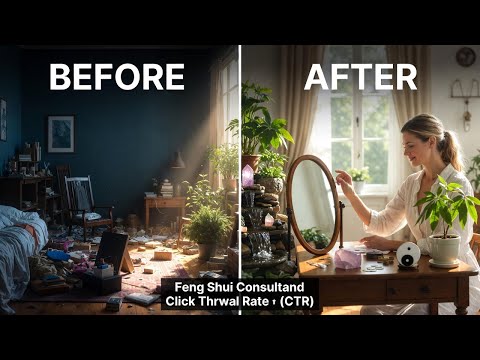
Video Breakdown
The video walks through basic compass use, simple website setup and local advertising. Watch the full video on YouTube for the full walkthrough.
Key Takeaways
- Basic compass training costs under £30 via second-hand books.
- Free website builders keep early spend near zero.
- eBay and local Facebook groups produce the first enquiries.
- Most clients want one-off room tweaks, not ongoing contracts.
- Partnering with estate agents rarely converts in practice.
Startup Costs in the UK
Keep everything under £300 by buying only what you need for the first month.
| Item | Approx. Cost (UK) | Notes |
|---|---|---|
| Compass and basic books | £25 | Second-hand from charity shops or Amazon |
| Domain and simple site | £15 | One-year hosting on a free template |
| Printed flyers and cards | £40 | Local print shop in A5 size |
| Initial ad spend | £50 | Facebook postcode targeting |
| Insurance and basic kit | £70 | Public liability plus a few mirrors |
Total setup lands around £200 before any paid work arrives.
Tools & Equipment Needed
- Lo Pan compass or decent smartphone app
- Basic reference books on classical feng shui
- Simple website with contact form
- Small stock of mirrors and crystals if selling add-ons
How to Start
- Read two core books and practise on your own home.
- Build a one-page site listing services and postcode coverage.
- Register as self-employed with HMRC before taking payment.
- Post in local Facebook groups with before-and-after photos.
- Print 200 flyers and drop them in target streets.
- Offer a £45 video consultation to test pricing.
- Collect testimonials before raising rates.
Earnings & Scaling
Early jobs pay £40–£80 each. Two or three clients a month is realistic for most newcomers. Scaling beyond that usually requires moving into property staging or corporate workshops, both slower to land.
Pros, Cons and Risks
Pros:
- Very low stock costs
- Work can be done remotely
- Flexible hours around other jobs
Cons:
- Demand stays thin outside major cities
- Clients often expect free advice first
- Results are subjective and hard to prove
Risks:
- Seasonal quiet periods after Christmas
- Competition from free online advice
- Occasional complaints when changes fail to impress
UK-Specific Tips
- Check planning rules if suggesting structural changes in listed buildings.
- Use clear invoices and keep records for HMRC self-assessment.
- Target new-build estates where owners seek quick improvements.
- Link with local estate agents only after proving conversion rates.
FAQ
Do I need formal qualifications?
No certificate is required, though basic reading prevents obvious mistakes with clients.
Can I sell physical products too?
Yes, but start with advice only. Stock from Feng Shui Store adds cost and storage issues early on.
How do I handle sceptical clients?
Focus on practical layout suggestions rather than energy claims; most people book for tidier rooms.
Is insurance essential?
Public liability cover for £1m costs around £70 a year and reassures cautious homeowners.
Conclusion
The numbers work if you accept limited local demand. browse more ideas on MicroBiz365.