Fermented Food Business Opportunities in the UK: Kit, Rates & Sales Tips (UK)
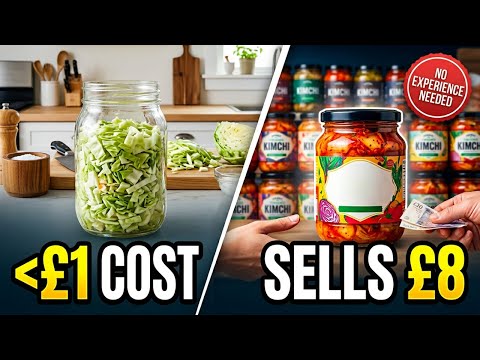
Startup Cost: £50–£300 | Difficulty: Beginner | Time to Start: 7 Days | Business Type: Local
Real UK Business Example
The Fermentation Station Workshop provider teaching kimchi, kombucha, and sauerkraut skills at UK food festivals. Jar subscriptions extend class revenue into retail.
Fermented foods are a growing trend in the UK, with a focus on gut health and natural preservation. This business idea offers potential for those looking to start a low-cost venture from their home kitchen.
What is Fermented Food Business Opportunities in the UK?
A fermented food business involves producing and selling fermented foods, such as kimchi, sauerkraut, kefir, and kombucha. The process is simple, using natural bacteria to preserve food. You don't need specialist equipment to start, and your raw ingredients cost pennies per jar.
Video Breakdown
Watch the full video on YouTube for the full walkthrough.
Key Takeaways
- Fermented foods are a simple and low-cost business idea.
- You can start a fermented food business from your home kitchen with minimal equipment.
- Startup costs are under £100, and you can sell your products for £4 to £8.
- Fermentation is a natural process that preserves food using bacteria.
- You can sell your products at local markets, online, or through independent delis and health food shops.
UK Pricing Guide
| Offer | Typical UK price | Notes |
|---|---|---|
| Small jar of kimchi | £4 | Perfect for a lunchtime snack or side dish. |
| Medium jar of sauerkraut | £6 | Great for adding to meals or using as a topping. |
| Large bottle of kombucha | £8 | Perfect for those looking to stay hydrated and healthy. |
Startup Costs in the UK
| Item | Approx. cost (UK) | Notes |
|---|---|---|
| Standard glass jars | £10–£20 | Initial stock for your products. |
| Salt and spices | £5–£10 | Initial stock for your recipes. |
| Labels and packaging | £10–£20 | Initial stock for your products. |
In practice, you can get to your first paying client for a total setup spend of roughly £100–£250, well under the £300 mark, then upgrade tools and protection as the business grows.
UK Suppliers and Where to Buy
You can source your ingredients and equipment from reputable suppliers in the UK. Some options include:
- Screwfix
- Bookers
- GS1 UK
- Faire UK
- Amazon Business
Tools and Equipment
- Standard glass jars
- Vegetables (cabbage, carrots, chilies, etc.)
- Salt
- Spices and flavorings
- Labels
How We'd Approach This in the UK
We'd focus on creating unique and high-quality products using natural fermentation techniques. We'd source our ingredients from reputable suppliers and use eco-friendly packaging to appeal to health-conscious customers.
We'd target local markets and online platforms to reach customers, and use social media to build a community around our brand.
How to Start
- Register as a food business with your local council (free and takes a few minutes online).
- Get a food hygiene inspection (straightforward for a clean home kitchen).
- Obtain a level 2 food hygiene certificate (£10 to £20 and takes a few hours).
- Proper labeling, ingredients, allergens, best before dates, and your business name.
- Start producing fermented foods from your home kitchen.
- Sell your products at local markets, online, or through independent delis and health food shops.
Earnings and Scaling
In month one, you're perfecting recipes and selling your first batches. Expect £30 to £80 in revenue with £20 to £60 in profit. Months 2 to 3 with one or two market days per week and a deli stockist, you're looking at £150 to £400 in revenue and £100 to £300 in profit.
Pros, Cons and Risks
- Pros: low startup costs, potential for high earnings, and a growing market.
- Cons: requires registration and inspection, potential for spoilage, and competition.
- Risks: spoilage, contamination, and competition.
UK Rules and Registrations
- Register as a food business with your local council.
- Get a food hygiene inspection.
- Obtain a level 2 food hygiene certificate.
- Ensure proper labeling, ingredients, allergens, best before dates, and your business name.
- Consider registering for VAT if your annual turnover exceeds £85,000.
FAQ
What is fermentation?
Fermentation is a natural process that preserves food using bacteria.
How much does it cost to start a fermented food business?
Startup costs are under £100, and you can sell your products for £4 to £8.
Do I need specialist equipment to start a fermented food business?
No, you can start a fermented food business from your home kitchen with minimal equipment.
Can I sell my products online?
Yes, you can sell your products online through Etsy, your own website, or local Facebook groups.
What are the potential earnings of a fermented food business?
In month one, you're perfecting recipes and selling your first batches. Expect £30 to £80 in revenue with £20 to £60 in profit. Months 2 to 3 with one or two market days per week and a deli stockist, you're looking at £150 to £400 in revenue and £100 to £300 in profit.
Conclusion
Starting a fermented food business from home is a simple and low-cost idea. With a focus on gut health, fermented products like kimchi, sauerkraut, kefir, and kombucha are leading the trend in the UK. You can start a fermented food business from your home kitchen with minimal equipment and sell your products at local markets, online, or through independent delis and health food shops. Get started today and discover the potential earnings of a fermented food business!
Browse more ideas on MicroBiz365.