Custom Knitwear Business (machine Knitting) Micro-Business — UK Starter Guide
Startup Cost: £50–£300 | Difficulty: Beginner | Time to Start: 7 Days | Business Type: Local
Many people pick up a secondhand knitting machine and start turning out small runs of custom beanies and scarves for local groups. The work suits anyone happy to learn one machine and keep orders simple.
What is Custom Knitwear Business?
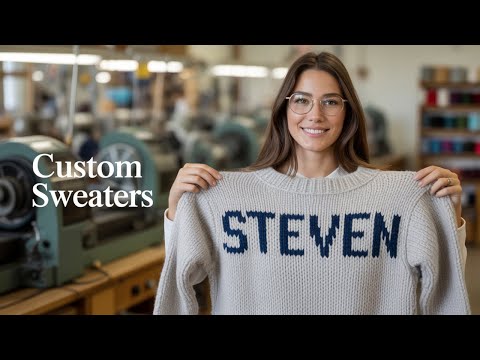
A custom knitwear business uses a domestic or semi-industrial knitting machine to weave text or basic logos straight into hats, scarves and jumpers. Clients are usually sports clubs, school PTAs, university societies or small fashion labels that want small batches without big factory minimums.
Video Breakdown
The video walks through buying a used machine, setting basic patterns and pricing the first orders. Watch the full video on YouTube for the full walkthrough.
Key Takeaways
- Secondhand machines appear regularly on Facebook Marketplace and Gumtree for £50–£150.
- Start with single-colour text on beanies and scarves before adding multi-colour work.
- Local clubs and small brands often order 10–30 pieces rather than hundreds.
- Simple pricing: beanies £15–£25, scarves £20–£35, basic jumpers £40–£60.
- Made-to-order keeps yarn spend low and avoids unsold stock.
Startup Costs in the UK
Most people reach their first paid order for well under £300. Here is a realistic breakdown.
| Item | Approx. Cost (UK) | Notes |
|---|---|---|
| Secondhand knitting machine | £50–£150 | Facebook Marketplace, Gumtree or local knitting clubs |
| Needles, tools and tension gauge | £20–£40 | Basic kit that lasts years |
| Starter yarn cones | £20–£50 | Enough for first 15–20 samples |
| Labels and swing tags | £10–£30 | Printed locally or via small UK suppliers |
| Simple contract template | £0–£20 | Free GOV.UK templates or basic paid version |
In practice, total spend lands between £100 and £250 before the first invoice.
Tools & Equipment Needed
- Secondhand domestic knitting machine
- Needles, transfer tools and row counter
- Acrylic or wool yarn cones
- Printed labels and care tags
- Basic invoice template
How to Start
- Search Facebook Marketplace and local knitting groups for a working machine in your area.
- Watch the machine’s manual videos and knit a few plain samples to learn tension.
- Offer single-colour text on beanies and scarves first; keep designs simple.
- Set prices that cover yarn plus £12–£18 per hour of your time.
- Contact sports clubs, PTAs and university societies within a 20-mile radius by email or short visit.
- Photograph finished pieces on a plain background and post on local Facebook groups.
- Issue a short contract and take a 50 % deposit before starting each order.
Earnings & Scaling
Steady part-time work can bring £150–£350 a month once you have four or five regular clients. Growth comes from repeat orders and adding simple jumpers rather than buying extra machines straight away.
Pros, Cons and Risks
Pros:
- Low entry cost and equipment that holds value.
- Work can be done from a spare room or garage.
- Clear local demand from clubs and small brands.
Cons:
- Learning the machine takes several evenings of practice.
- Marketing still requires regular contact with groups.
- Seasonal dips in summer orders.
Risks:
- Machine repairs can cost £80–£150 if the carriage fails.
- Late payments from one-off club orders.
- Competition from cheap imported printed knitwear.
UK-Specific Tips
- Register as self-employed with HMRC once monthly income passes £1,000.
- Use local printers for swing tags to keep turnaround under a week.
- Check fire-safety rules if storing large amounts of yarn at home.
- Offer to attend club committee meetings with sample pieces in person.
FAQ
How long does it take to learn the machine?
Most people produce acceptable beanies after three or four practice sessions of two hours each.
Do I need to buy new machines later?
Many makers stay with one good secondhand model for years; upgrades only make sense after consistent orders above 50 pieces a month.
Where do I find the first clients?
Start with sports clubs and PTAs in your postcode area; a short email with three sample photos usually gets a reply.
What about returns or mistakes?
Include a clear clause in the contract that custom items are non-returnable unless the error is yours.
Conclusion
A used knitting machine and steady local orders can build a useful side income without large outlay. browse more ideas on MicroBiz365.