Bespoke Shirt Business: Real Costs & First Paid Jobs (UK)
Startup Cost: £50–£300 | Difficulty: Beginner | Time to Start: 7 Days | Business Type: Local
Many UK founders begin measuring clients in a spare room and ordering fabric swatches online. The work suits people who enjoy precise fitting and steady repeat orders from local professionals.
Real UK Business Example
Charles Tyrwhitt Jermyn Street shirtmaker offering made-to-measure and ready-to-wear for UK professionals. Bespoke shirt startups often begin with appointment fittings from home studios.
What is Bespoke Shirt Business?
A bespoke shirt business creates made-to-measure shirts using client measurements, chosen fabrics and simple tailoring partners. Orders usually start from home fittings before shirts are cut and finished through small UK workshops.
Video Breakdown
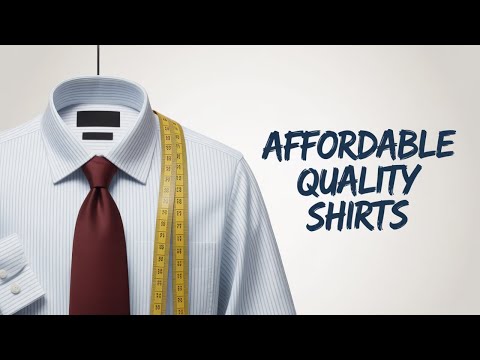
The source video walks through measuring, fabric sourcing, pricing and first client bookings. Watch the full video on YouTube for the full walkthrough.
Key Takeaways
- Measure accurately with a basic tape and paper forms.
- Source fabric from UK wholesalers or online swatch services.
- Partner with a local tailor or small factory for stitching.
- Price shirts between £90 and £160 to cover fabric and finishing.
- Use a simple booking calendar and invoice template from day one.
- Start with five paying clients before scaling fabric orders.
Startup Costs in the UK
Most people reach their first orders for under £300 by keeping equipment minimal.
| Item | Approx. Cost (UK) | Notes |
|---|---|---|
| Measuring kit and forms | £15–£30 | Tape, notepad, client record sheets |
| Fabric samples and first bolts | £40–£120 | Start with two or three cotton options |
| Simple website and booking tool | £0–£60 | Free templates or low-cost hosting |
| Initial marketing prints | £20–£50 | Business cards and local noticeboard flyers |
| Insurance and basic records | £15–£40 | Public liability quote via comparison sites |
Total spend usually lands between £100 and £250 before the first shirt is delivered.
Tools & Equipment Needed
- Cloth measuring tape and client measurement forms
- Swatch books from UK fabric suppliers
- Basic website with booking calendar
- Invoice and receipt templates
- Contact with one or two local tailoring workshops
How to Start
- Print a simple measurement form and practise on friends or colleagues.
- Contact two fabric wholesalers that supply small quantities to new makers.
- Reach a local tailor or CMT unit and agree a per-shirt finishing price.
- Set up a one-page site listing three shirt styles and a booking link.
- Print ten business cards and leave them at offices in your postcode area.
- Book the first three fittings and note every measurement detail.
- Register with HMRC as self-employed before the fourth paid order arrives.
Earnings & Scaling
Realistic early months show four to eight shirts at £110–£150 each after fabric and finishing costs. Monthly profit often sits between £400 and £900 once ten regular clients appear. Growth comes from repeat orders and referrals rather than large ad spend.
Pros, Cons and Risks
Pros:
- Low material cost to start.
- Work can be done from home with flexible hours.
- Strong repeat custom from the same clients.
Cons:
- Each shirt requires careful measuring and follow-up.
- Dependence on a reliable finishing partner.
- Seasonal dips around holiday periods.
Risks:
- Measuring errors leading to remakes at your cost.
- Fabric price rises affecting margins.
- Competition from online made-to-measure brands.
UK-Specific Tips
- Keep records for HMRC self-assessment from the first invoice.
- Offer fittings at client offices in business districts to save travel time.
- Study how Charles Tyrwhitt prices its entry-level made-to-measure shirts for guidance on positioning.
- Check local trading standards rules on distance selling if shirts are posted.
FAQ
How long does it take to complete one shirt?
From measurement to delivery most orders take two to three weeks once a finishing partner is confirmed.
Do I need a sewing machine?
No. Outsource cutting and stitching to a local workshop and focus on measuring and client service.
Where do I find the first clients?
Start with colleagues, local business networks and noticeboards in office areas near your postcode.
What fabric should beginners buy first?
Begin with two weights of good-quality cotton shirting from a UK wholesaler that accepts small orders.
Conclusion
Steady measuring practice and one reliable finishing contact are enough to test the idea. browse more ideas on MicroBiz365.