Wax Melt Business: Real Costs & First Paid Jobs (UK)
Startup Cost: Under £250 | Difficulty: Low | Time to Start: 1-2 weeks | Business Type: Product making
One afternoon in a Leeds kitchen a few blocks of soy wax and a couple of fragrance oils turned into the first tray of melts that sold at a local craft stall the following weekend.
Real UK Business Example
Yorkshire Candle Company Hand-poured scented candles and wax melts from Leeds, selling through website and stockists nationwide. Regional storytelling supports premium homeware pricing.
What is a Wax Melts Business?
Wax melt makers pour scented wax into small shapes that customers drop into electric or tealight warmers. Batches are mixed at home and sold in packs of six or nine.
Video Breakdown
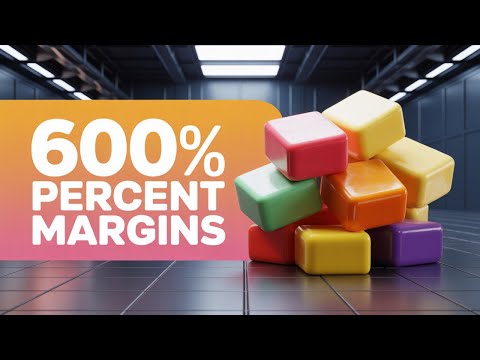
The video walks through melting, scent blending, mould release and simple packaging. Watch the full video on YouTube for the full walkthrough.
Key Takeaways
- Start with under £250 in materials and basic moulds.
- One 500 g batch costs roughly £3–£4 and fills six to eight packs.
- CLP labels are required on every pack sold in the UK.
- First sales often come from craft fairs or local Facebook groups rather than big platforms.
- Yorkshire Candle Company prices six-melt packs at £6–£8 by telling the story of the scent.
- Repeat orders grow when the same customers reorder favourite blends.
Startup Costs in the UK
Everything needed sits comfortably under £300.
| Item | Approx. Cost (UK) | Notes |
|---|---|---|
| Soy wax flakes (5 kg) | £35 | Food-grade, widely stocked online |
| Fragrance oils (selection) | £45 | 10–15 ml bottles from UK suppliers |
| Silicone moulds (various shapes) | £30 | Reusable for dozens of pours |
| Digital scales and thermometer | £25 | Essential for consistent blends |
| Packaging and CLP labels | £40 | Kraft boxes plus printed hazard labels |
| Basic warmer for testing | £15 | One unit to check performance |
Total outlay lands around £190 before any stock is sold.
Tools & Equipment Needed
- Double boiler or slow cooker dedicated to wax
- Digital kitchen scales accurate to 1 g
- Thermometer
- Silicone moulds
- Fragrance oils and dye blocks
- Clothes pegs or clips for cooling
- Printed CLP labels and small boxes
How to Start
- Order small quantities of soy wax and four or five fragrance oils from a UK wholesaler.
- Register as self-employed with HMRC if you expect more than £1,000 profit in the tax year.
- Print CLP labels for each blend before any sale.
- Make test batches at the correct 6–8 % fragrance load and note cure times.
- Take samples to a nearby craft market or church hall fair.
- Photograph finished packs against a plain background for Etsy or local Facebook sales.
- Keep simple records of every pour and sale for your first Self Assessment.
Earnings & Scaling
Most new makers sell packs for £5–£7. After materials a single pack clears £3–£4. Twenty packs a week brings £240–£320 monthly once you cover the initial spend. Growth usually comes from adding two or three new scents each quarter and returning to the same markets.
Pros, Cons and Risks
Pros:
- Very low entry cost
- Work from one room
- Easy to test new scents quickly
Cons:
- Strong competition on Etsy
- Need to keep refreshing seasonal scents
- Packaging and labels add ongoing cost
Risks:
- Allergic reactions if labels are wrong
- Markets can be cancelled at short notice
- Wax can overheat and spoil a batch
UK-Specific Tips
- Check the latest candle and wax melt guidance on the GOV.UK product safety pages before selling.
- Use local Facebook groups for the first ten sales rather than paid ads.
- Offer regional scent names such as “Yorkshire Rain” or “Leeds Bonfire” to stand out.
- Store wax away from food preparation areas to avoid cross-contamination questions.
FAQ
How much space do I really need?
A single kitchen worktop and a cupboard for supplies is enough to start. Most pours happen in an evening after dinner.
Do I need expensive moulds?
Basic silicone moulds from craft suppliers work fine. Spend more only when you want custom shapes for repeat customers.
Where do I get CLP labels?
Several UK printers offer small runs of compliant labels for under £20. Never sell without them.
Can I sell at car boot sales?
Yes, but check the organiser’s insurance rules and have your labels ready before the day.
Is soy wax better than paraffin?
Most UK makers prefer soy for its cleaner burn and easier customer story, though both work if the fragrance load stays correct.
Conclusion
Start small, follow the safety rules and test blends at local markets first. browse more ideas on MicroBiz365.